
Free Labor
There’s this word people love: “volunteering.” Makes you sound generous. Like you’re one of the good ones.
You’re working for free.
And artists get hit with this more than anyone, because there’s a whole narrative built around it. You’re not skilled, you’re gifted. It came naturally. God gave you this talent, so obviously you should use it for something bigger than paying your rent. The implication is that making money from art is selling out, but making money off an artist is completely fine. That’s the trap. They dress up exploitation as flattery and call it a compliment.
Nobody tells an engineer “you’re just naturally good with numbers, go build bridges for free.” But they’ll absolutely tell an artist “you’re so talented, imagine what good you could do.” Yeah. Imagine.
And the thing is, it’s not even intentional most of the time. It’s just human nature. People don’t value what costs them nothing. Not because they’re bad, but because that’s how the brain works. Price signals effort. Price signals worth. When something is free, it becomes optional. When it costs something, it matters. They show up. They care. They use it. Once money is involved, it’s a different conversation.
So when you give your work away, you’re not being generous. You’re teaching people how little it’s worth.
If you’re actually good at what you do, working for free isn’t generosity, it’s self-sabotage. You staying up until 3am refining something? That’s just your free time in their eyes. Something you enjoy. And once that framing sticks, you stop being a professional and become the person who’s “not really busy.”
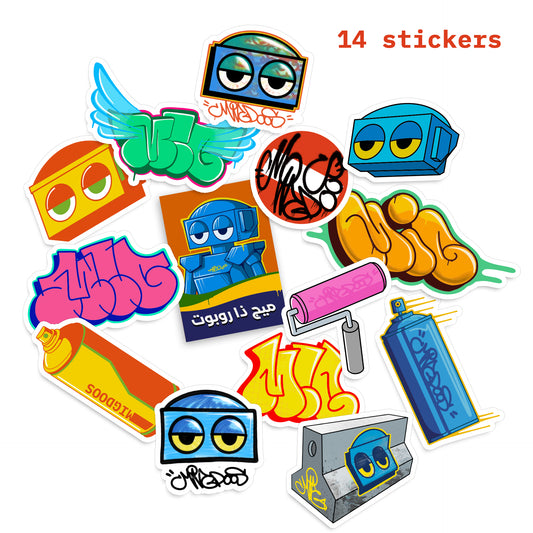
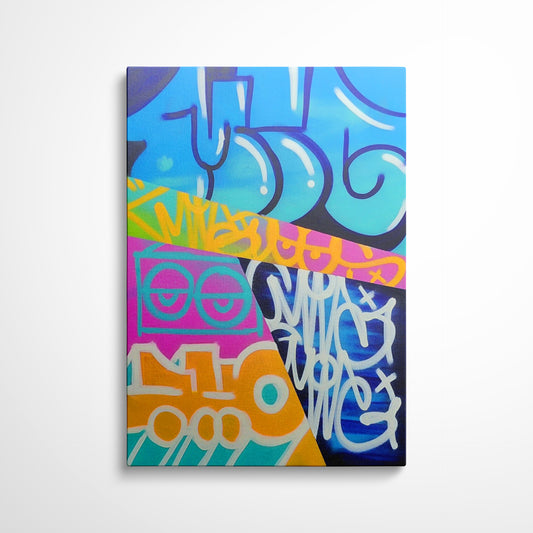
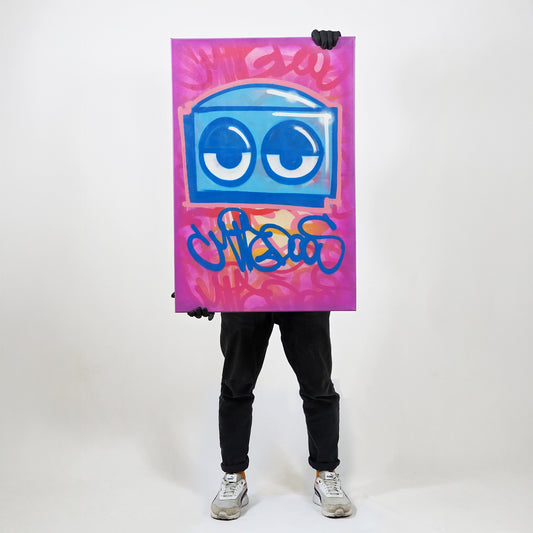
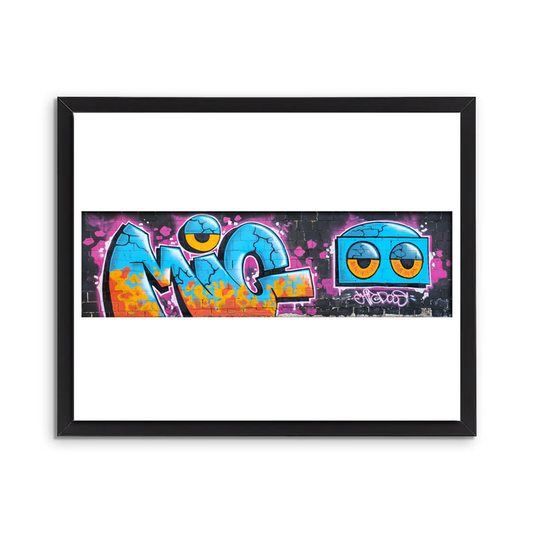
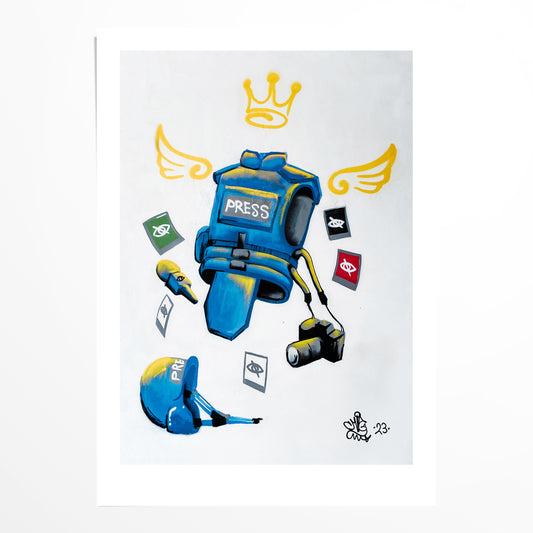
I learned this the hard way through murals.
Early on, I did free walls thinking it was “good for business.” Get your name out there, get the likes, the shares. And yeah, you get the engagement. But then a client sees the wall and asks how much it cost. You say it was voluntary, just materials. That’s it. The reference point is set. You painted a full wall for free, now you’re trying to charge? The math doesn’t work for them. And no matter how you explain the difference between charity and commercial work, it doesn’t land. If it exists, it has a price. If it was free once, that becomes the baseline.
But the part that actually changed things wasn’t the work. It was the word.
When I used to paint my own stuff in the street, people would ask: “Is this paid or voluntary?” I used to say voluntary. Conversation over. In their head I was just someone with too much free time painting as a hobby.
Then I started saying: “This is my marketing.”
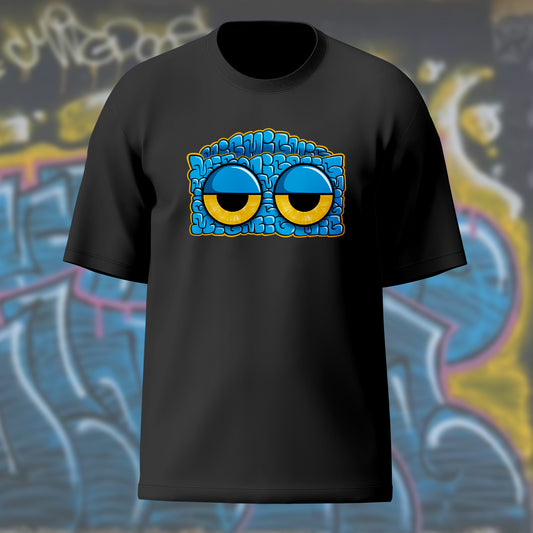
Everything shifted. “Marketing for what?” Now I’m talking about murals, merch, prints. The person in front of me goes from random passerby to potential client. “Here, take my card.” Opportunities that didn’t exist two sentences ago.
Same work. Different word.
Language here isn’t a motivational concept. It defines how people categorize you. “Volunteer” puts you in the “not really working” box. “Marketing” puts you in the “building something” box. And if it actually was volunteer work, frame it properly. You’re doing it for yourself anyway. You are your own client.
I’m not saying never do free work. Sometimes it’s a calculated move. One time, clear context, next time it’s paid. I’ve made that offer before. Most people disappeared the moment I set that boundary, which tells you exactly what they were after.
The people who push volunteering as a path to experience and connections? Those connections will treat you like you’re unemployed. And the opportunities will look exactly the same, just repackaged.
Money attracts money. Free attracts free. You don’t break the loop by working harder inside it.
This isn’t about attacking people. This is just how humans are wired. Once you accept that, you stop being surprised and start dealing with it properly. Kindness and weakness aren’t the same, but people will treat them the same if you let them. So don’t.